

Some stores just have a pull to them. You walk in for one thing and leave with an armful. Ever notice that? It feels like luck, but it almost never is. The items on those shelves are coordinated. One purchase leads to another, filling your basket. That pull has a name. It is called a smart product mix, and you do not need a fancy degree to build one. You need a little thought and the guts to ditch what does not sell.
What a Product Mix Actually Is
Your product mix is just everything you choose to stock. All of it. The range of items, the spread of prices, the styles, and the way they bump up against each other on the shelf. A good mix feels balanced. Cheap stuff pulls people through the door. Pricier stuff pads your profit. Some safe bets sell day in and day out, while a few oddball picks keep your regulars curious. Nail the mix and the store nearly runs itself. Botch it, and even solid products just sit there collecting dust.
Know Who Walks Through Your Door
Figure out your crowd before you buy a thing. Young and trendy? Parents watching every dollar? Folks who want the best and will happily pay for it? Your mix has to match them, not you. That part trips up a lot of owners. They stock what they personally like and then wonder why it flops. The register never lies. Watch it. When one style sells out week after week, lean harder into it. When something gathers dust for a month, cut it loose and hand that space to a winner.
Balance Your Price Points on Purpose
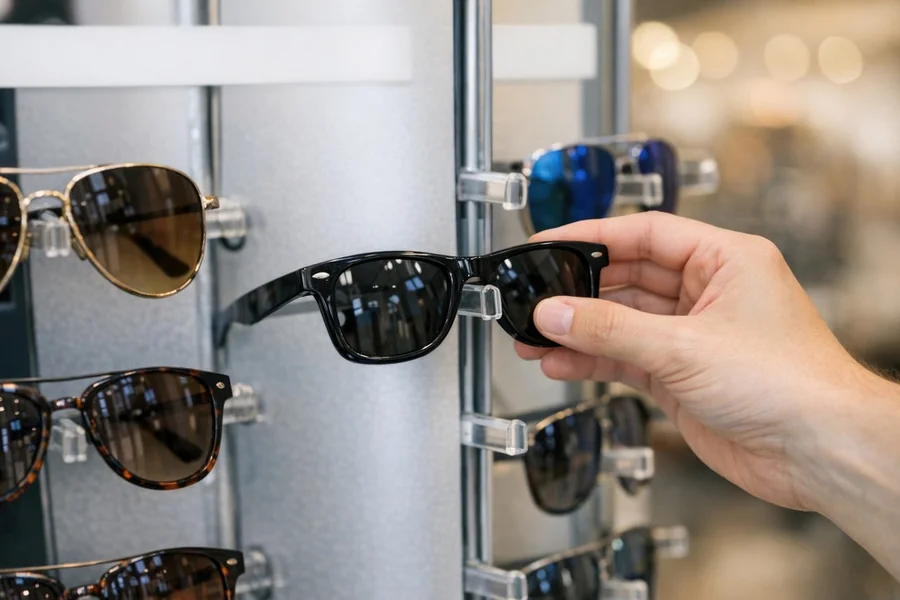
A strong mix comes in layers. Low-cost items upfront to hook people and earn a little trust. A solid middle range where most of your sales actually happen. And a handful of higher-end pieces for shoppers chasing a taste of luxury. Sunglasses pull this off beautifully. Stock a few plain, cheap pairs for the bargain crowd and some sharp, upscale frames for the folks who want to feel a bit fancy. Grabbing bulk designer sunglasses from a trusted source such as OE Wholesale Sunglasses lets you carry that high end look without draining your wallet to get it. Suddenly you cover every price layer at once and keep your margin intact.
Group Things So They Sell Together
Good placement turns one sale into two. Set items side by side when they naturally belong together. Somebody grabbing a summer hat might toss in sunglasses if they sit right there beside it. A person buying a phone case might add a charger sitting within arm’s reach. Why does this work? Because you already did the thinking for them. You connected the dots so the shopper did not have to lift a finger.
Keep It Fresh and Keep Testing
No mix stays perfect. Tastes drift. Trends evolve. What sold quickly last summer might not this year; this is normal. So treat your mix like something alive. Bring in fresh items. Test them. Stare at the numbers. Toss the losers and feel no guilt about it. Give your winners more room to shine. That steady little tinkering is the whole difference between a store that grows and one that flatlines.
Conclusion
A product mix people cannot resist is no accident. To build it, know your crowd, layer prices, pair items thoughtfully, and refresh selections often. Then your shelves will do the heavy lifting. The right mix quietly turns a plain little shop into the kind of place folks just cannot seem to leave empty-handed.
