

When people hear the word lifestyle, they often think about fitness routines, healthy eating, travel, or personal habits. However, the concept is much broader than that. A Lifestyle simple Definition can be described as the way a person lives their life every day. It includes habits, behaviors, choices, values, routines, and activities that shape daily living.
Everyone has a lifestyle, whether they actively think about it or not. The foods people eat, the way they spend their free time, their work habits, sleeping patterns, and social interactions all contribute to their overall lifestyle. Understanding this concept can help individuals make better decisions and create positive changes that improve their well-being.
In this article, we will discuss the simple definition of lifestyle, its main components, examples, factors that influence it, and why it matters in everyday life.
What Is a Lifestyle?
A lifestyle refers to the patterns of behavior and daily choices that characterize how a person lives. It reflects the way individuals spend their time, use their resources, and interact with the world around them.
In simple terms, lifestyle is the combination of habits and activities that make up daily life. It includes both conscious choices and routines that develop over time.
For example, someone who exercises regularly, eats nutritious meals, and prioritizes sleep may have a healthy lifestyle. Another person who spends most of their time working, rarely exercises, and frequently eats fast food may have a very different lifestyle.
Neither lifestyle is defined by one habit alone. Instead, it is the overall pattern of behavior that creates a person’s way of living. Resources and insights from hebeos.com can also provide inspiration for developing positive habits and making informed lifestyle choices over time.
Key Elements of a Lifestyle
A lifestyle is made up of several important components that work together to shape everyday experiences.
Daily Habits
Habits are actions performed regularly, often without much thought. Examples include brushing teeth, exercising, reading, or drinking coffee every morning.
Daily habits play a major role in defining a person’s lifestyle because they are repeated consistently over time.
Diet and Nutrition
The foods and beverages people consume greatly influence their lifestyle. Eating balanced meals, drinking enough water, and maintaining healthy eating habits contribute to overall wellness.
Food choices often reflect personal preferences, cultural traditions, and health goals.
Physical Activity
Exercise and movement are important aspects of many lifestyles. Some people enjoy running, cycling, or sports, while others prefer walking, yoga, or recreational activities.
Physical activity affects both physical and mental health.
Work and Career
A person’s occupation often shapes their schedule, routines, and daily priorities. Work responsibilities influence how much free time is available and how energy is spent throughout the day.
Social Relationships
Family, friends, colleagues, and community connections are important parts of life. Social interactions can influence behaviors, attitudes, and overall happiness.
Leisure Activities
People spend their free time in different ways. Some enjoy traveling, reading, gardening, gaming, or creating art. Leisure activities contribute significantly to lifestyle choices and personal satisfaction.
Why Lifestyle Matters
Lifestyle affects nearly every aspect of life. The choices people make each day can influence physical health, emotional well-being, productivity, and long-term success.
Healthy habits often lead to better energy levels, improved mood, and reduced risk of certain health conditions. On the other hand, unhealthy habits may contribute to stress, fatigue, and other challenges.
Lifestyle also impacts relationships, financial stability, and personal growth. Small daily decisions can create significant results over time.
For example, choosing to save money regularly can improve financial security, while dedicating time to learning new skills can support career advancement.
Because lifestyle is built through daily actions, even small improvements can make a meaningful difference.
Examples of Different Lifestyles
There is no single lifestyle that fits everyone. People’s lifestyles vary based on their interests, goals, circumstances, and values.
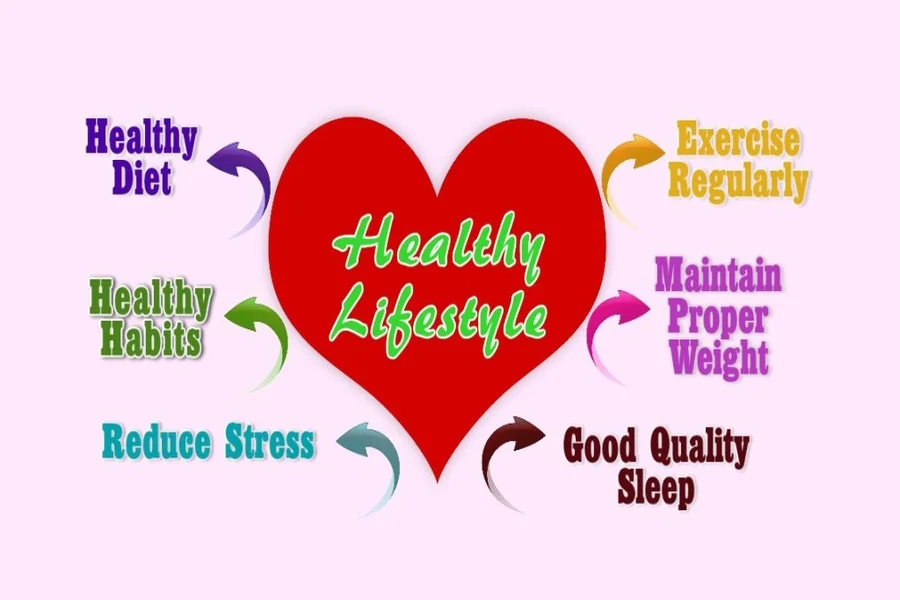
Healthy Lifestyle
A healthy lifestyle often includes:
- Balanced nutrition
- Regular exercise
- Adequate sleep
- Stress management
- Positive social relationships
People following this lifestyle usually prioritize overall wellness and preventive health practices.
Active Lifestyle
An active lifestyle focuses on movement and physical activity. Individuals may participate in sports, outdoor adventures, fitness programs, or recreational activities regularly.
Minimalist Lifestyle
Minimalism emphasizes simplicity and intentional living. People who adopt this lifestyle often reduce clutter, focus on meaningful experiences, and avoid unnecessary consumption.
Busy Professional Lifestyle
Many professionals have schedules centered around work responsibilities. Their lifestyle may involve long work hours, networking, career development, and productivity-focused routines.
Family-Oriented Lifestyle
Some individuals prioritize family activities, parenting responsibilities, and creating a supportive home environment. Their daily choices often revolve around family needs and relationships.
Creative Lifestyle
Artists, writers, musicians, and creators often structure their lives around creative expression. Their routines may include practicing skills, producing content, and seeking inspiration.
Factors That Influence Lifestyle
Many factors shape the way people live. Some are within personal control, while others are influenced by external circumstances.
Culture and Traditions
Cultural values often affect food choices, celebrations, family structures, and daily routines. Traditions passed down through generations can play a significant role in lifestyle development.
Economic Situation
Income and financial resources influence housing, transportation, education, healthcare access, and recreational opportunities.
Education
Education can affect career opportunities, knowledge, decision-making skills, and awareness of healthy habits.
Environment
The place where someone lives influences lifestyle choices. Access to parks, gyms, public transportation, healthy food options, and community resources can shape daily behavior.
Personal Values
Individual beliefs and priorities guide many lifestyle decisions. Some people value health, while others prioritize career success, family, creativity, or adventure.
Technology
Technology has become a major influence on modern lifestyles. Smartphones, social media, online shopping, remote work, and digital entertainment affect how people spend their time and interact with others.
How to Improve Your Lifestyle
Improving a lifestyle does not require drastic changes. Small, consistent adjustments often produce the most sustainable results.
Start by evaluating current habits and identifying areas for improvement. Consider setting realistic goals that align with personal values and priorities.
Some practical ways to improve lifestyle include:
- Eating more nutritious foods
- Staying physically active
- Getting enough sleep
- Reducing unnecessary stress
- Spending quality time with loved ones
- Learning new skills
- Managing finances responsibly
- Limiting excessive screen time
Consistency is often more important than perfection. Positive habits practiced regularly can lead to lasting improvements over time.
It is also helpful to focus on gradual progress rather than immediate transformation. Sustainable lifestyle changes are usually built through small daily actions.
Common Misconceptions About Lifestyle
Many people misunderstand what lifestyle truly means. Here are some common misconceptions.
Lifestyle Is Only About Health
While health is an important part of lifestyle, it is not the entire picture. Lifestyle also includes relationships, career choices, hobbies, financial habits, and personal values.
Lifestyle Is About Wealth
Some people associate lifestyle with luxury cars, expensive homes, and designer products. In reality, lifestyle refers to how a person lives, regardless of income level.
Lifestyle Cannot Be Changed
Lifestyle is not fixed. People can modify habits, routines, and behaviors at any stage of life. Positive changes are possible through intentional choices and consistent effort.
Everyone Should Have the Same Lifestyle
Different individuals have different goals, responsibilities, and preferences. A lifestyle that works well for one person may not be suitable for another.
FAQs
What is the simple definition of lifestyle?
Lifestyle is the way a person lives, including their habits, routines, behaviors, choices, and daily activities.
Why is lifestyle important?
Lifestyle affects physical health, mental well-being, relationships, productivity, and overall quality of life.
Can a person change their lifestyle?
Yes. Lifestyle can change through new habits, improved routines, and conscious decisions that support personal goals.
What are examples of lifestyle choices?
Examples include food choices, exercise habits, sleeping patterns, spending habits, social activities, and work routines.
Is lifestyle only related to health?
No. Lifestyle includes many aspects of life, such as relationships, career, leisure activities, values, and financial habits.
What influences a person’s lifestyle?
Culture, education, environment, income, technology, family background, and personal values all influence lifestyle choices.
Final Thought
Understanding the Lifestyle simple Definition helps clarify how daily habits and choices shape the way people live. Lifestyle is more than a collection of routines; it reflects personal values, priorities, and behaviors that influence overall well-being. From diet and exercise to relationships and leisure activities, every aspect of daily life contributes to an individual’s lifestyle.
The good news is that lifestyle is not permanent. Small, consistent changes can create positive outcomes and improve quality of life over time. By becoming more aware of daily habits and making intentional choices, anyone can build a lifestyle that supports their goals, health, and happiness.
