

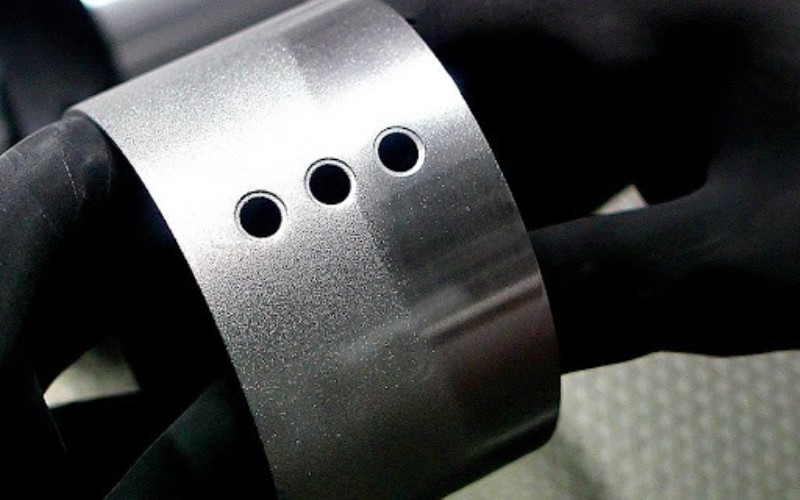
Bead blasting is a surface preparation technique that uses fine abrasive beads to clean, polish, and texture surfaces. Renowned for its precision and versatility, it is critical in manufacturing, automotive, and medical devices.
This method ensures flawless surface finishes, improves product aesthetics, and enhances functional performance by creating ideal conditions for coatings or removing unwanted residues. This article explores the advantages of bead blasting, its practical applications, and why it remains an essential process in modern fabrication and design.
What is Bead Blasting?
Bead blasting is a surface treatment process that uses fine spherical particles, commonly made of glass, ceramic, or metal, to clean, smooth, or texture surfaces. These particles, known as beads, are propelled at high velocity onto the surface using compressed air or a mechanical system, effectively removing impurities, coatings, or surface irregularities.
Unlike harsher methods such as grinding, this surface finishing process rids delicate components of defects without causing significant material loss or dimensional alterations. Bead blasting achieves a uniform finish, making it ideal for functional and aesthetic purposes. Due to its versatility, this technique is widely used in various industries, including aerospace, automotive, and manufacturing.
Bead blast finishing enhances the appearance of surfaces and improves adhesion for subsequent coatings or treatments. The process is customizable, with factors such as bead material, size, and velocity adjustable to suit specific applications. For example, glass beads are preferred for creating a satin finish, while steel beads are better for aggressive cleaning or peening tasks.
While bead blasting offers significant advantages, it requires controlled environments and skilled operators to achieve optimal results without damaging the workpiece. However, it is still an excellent finishing process. Moreover, it is a cost-effective and eco-friendly alternative to chemical cleaning processes, as it generates minimal waste and is free from hazardous chemicals.
7 Advantages of Bead Blasting
Bead blasting is a versatile surface preparation technique with numerous advantages, making it a preferred choice across industries. Below are seven significant benefits of bead blasting as a finishing process.
Produces a Uniform Surface Finish
Bead blasting creates a consistent surface texture by evenly distributing the impact of the spherical blaster beads. This uniformity is crucial in applications where aesthetics and functionality matter, such as preparing parts for coatings or polishing metal components. The process eliminates irregularities and inconsistencies, ensuring a smooth and professional appearance.
Gentle on Delicate Surfaces
Unlike harsher abrasive methods, bead blasting is non-aggressive and suitable for sensitive materials. It can clean or refine soft metals, plastics, or delicate machinery parts without compromising structural integrity. This feature makes it an ideal option for intricate designs or fragile components that require precision handling.
Removes Contaminants Effectively
Bead blasting effectively removes surface impurities such as rust, scale, old paint, or grease. It exposes a clean base, preparing the surface for further treatments, like coating or welding. This thorough cleaning ensures that subsequent processes adhere better, improving overall product quality.
Improves Surface Adhesion
One of the significant benefits of bead blasting is its ability to enhance the surface’s adhesive properties. This finishing operation creates a textured surface that increases the grip of coatings, paints, adhesives, or plating materials. Therefore, bead blasting ensures longer-lasting finishes and reduces the likelihood of peeling or flaking.
Stress-relieving and Peening Effects
Bead blasting can relieve stress in metal components, enhancing their durability. The process induces compressive stress on the surface, which helps reduce the risk of fatigue failures and cracking. This peening effect is particularly valuable in applications where parts are exposed to mechanical stress or repetitive loading.
Eco-Friendly and Cost-Effective
Compared to chemical treatments, bead blasting is an environmentally friendly option. It avoids the use of hazardous chemicals and generates minimal waste. Beads are reusable, reducing material costs over time. Additionally, the process requires relatively simple equipment and can be performed quickly, making it a cost-effective surface preparation method.
Enhances Aesthetics
Bead blasting is not only functional but also improves products’ visual appeal. It can produce a matte, satin, or frosted finish, which is especially desirable for consumer goods, architectural elements, or decorative components. This enhancement adds value to products by making them visually appealing and market-ready.
Common Applications of Bead Blasting
Bead blasting is a versatile surface preparation method with applications spanning various industries. Below are seven key applications:
Surface Cleaning and Rust Removal
Bead blasting is widely used to clean metal surfaces and remove rust, scale, grease, and old coatings. Industries like automotive restoration and machinery maintenance rely on this method to restore parts to their original condition without damaging the underlying material.
Pre-Coating Surface Preparation
Bead blasting creates a clean and slightly textured surface before applying paint, powder coating, or plating. The process enhances adhesion, ensuring longer-lasting coat-related finishes. This feature makes it particularly common in aerospace, automotive, and consumer goods manufacturing.
Cosmetic Surface Finishing
Manufacturers use bead blasting to improve the aesthetic appeal of products by creating a matte, satin, or frosted finish. This application is popular in jewelry making, consumer electronics, and architectural components where visual appeal is critical.
Medical and Dental Instrument Refinement
The medical and dental industries use bead blasting to clean, finish, and sterilize tools and implants. The process ensures the smoothness and cleanliness required for surgical instruments while maintaining strict hygiene standards.
Mold and Tool Cleaning
In manufacturing, bead blasting cleans molds and tools, removing buildup without altering critical dimensions. Therefore, the process can enhance precision in subsequent production runs and prolong the life of expensive tooling.
Deburring and Peening
Bead blasting effectively removes burrs and sharp edges from machined parts, enhancing safety and usability. It also strengthens metal components by inducing compressive stress, reducing the likelihood of fatigue and cracking, which is essential for high-stress applications like aerospace and automotive parts.
Surface Texturing for Industrial Components
In industrial applications, bead blasting adds texture to surfaces, improving friction or functional grip. This advantage makes the finish especially useful for tools, machine parts, and components that require specific handling properties.
Conclusion
Bead blasting is a powerful and efficient method for surface preparation and finishing. Its ability to clean, texture, and enhance aesthetics meets diverse industrial needs while ensuring superior results. Its versatility extends from restoring vintage automotive parts to refining surgical tools, making it indispensable in various industries. Whether for functionality or aesthetics, bead blasting continues to be a reliable solution for achieving exceptional surface results.
