

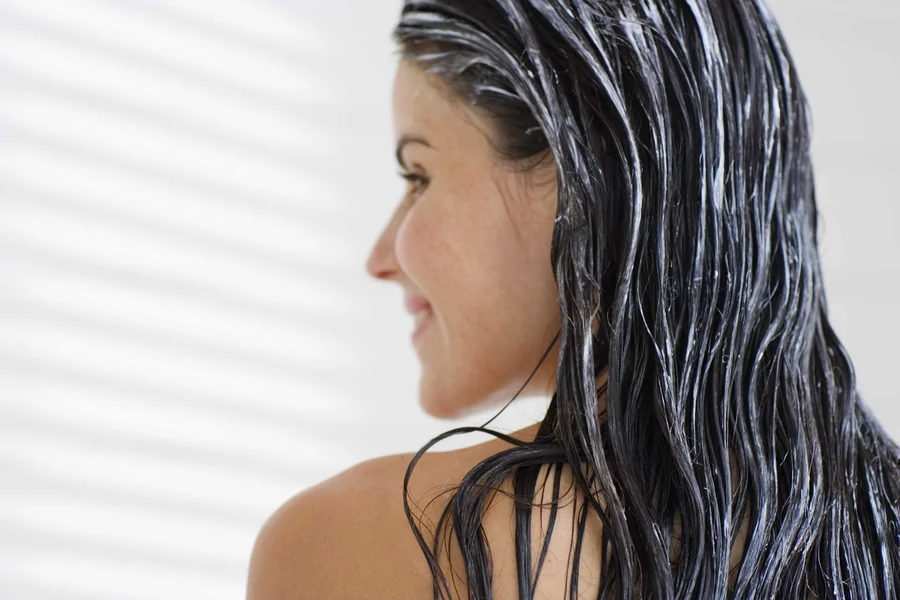
Deep conditioning is one of the most powerful tools you can include in your hair care routine, no matter your hair’s texture or type. Techniques like baggying — sometimes referred to as baggying hair — highlight just how crucial deep conditioning is for restoring moisture and strength. These methods, which involve applying deep treatments and then covering the hair to trap in heat, work because deep conditioning goes far beyond a basic conditioner. It’s about giving your strands the intensive support they need to thrive in the long term.
Whether your hair is straight, curly, color-treated, or natural, deep conditioning can help maintain its health and vitality. Here’s why it matters so much — and how you can do it right.
Why Moisture Matters
Hair is constantly exposed to things that dry it out: heat styling, sun exposure, coloring chemicals, harsh shampoos, and even the weather. Deep conditioning is designed to replenish that lost moisture and lock it in. This is especially important if you use heat tools regularly or live in a dry climate.
When the hair is well-hydrated, it feels softer, moves more naturally, and resists breakage. Dry hair, on the other hand, is brittle and vulnerable to snapping, which is why deep conditioning should never be skipped if you want strong, resilient strands.
Strength from Within
Many deep conditioners include protein-based ingredients that help rebuild the hair shaft. Over time, things like color treatments or frequent styling can break down the proteins in your hair, weakening it from the inside out.
Deep conditioning treatments replace those lost proteins, reinforcing the hair’s natural structure. This reduces split ends, helps retain length, and makes your hair more resistant to damage going forward. Even once a week is enough to see significant benefits, especially if you complement it with protective styles or baggying methods that help seal in the treatment.
Improved Elasticity
Elasticity is a measure of how far hair can stretch before it breaks — and it’s one of the biggest markers of hair health. Well-conditioned hair has good elasticity, meaning it can stretch and bounce back without snapping. If your strands feel stiff or break easily, chances are they lack moisture and elasticity.
Deep conditioning solves this by softening the hair and allowing it to flex, rather than snap under stress. This is particularly vital for those with curls or coils, where the twists and bends naturally make the hair more vulnerable to breakage.
Smoother, Shinier Hair
A good deep conditioner also helps smooth the hair’s cuticle, which is the outermost layer of each strand. When these cuticle layers lay flat, they reflect light better, creating shinier, glossier hair.
This smooth cuticle also makes the hair easier to detangle, reducing the risk of breakage during combing or styling. That means less frustration, fewer knots, and an overall healthier look and feel.
Protection for the Long Run
Regular deep conditioning acts as a shield against future damage. Strong, hydrated hair can handle styling, brushing, and exposure to the elements far better than dry, fragile strands.
Protective methods like baggying hair — where you cover conditioned hair with a plastic cap to trap in moisture — can help the conditioner work more effectively by using your own body heat to open up the hair cuticle. This allows the treatment to penetrate even deeper, giving lasting results.
Benefits for the Scalp
While most people think of deep conditioning as just for the strands, it can also nurture your scalp. A balanced, hydrated scalp supports healthier growth and reduces issues like flaking or itchiness. Some deep conditioners even include soothing ingredients such as aloe vera or natural oils to calm irritation and improve scalp health.
Since the scalp is where your hair grows from, keeping it conditioned is like tending healthy soil for a plant — without a healthy scalp, new hair has little chance of thriving.
How to Deep Condition Effectively
To get the most from your deep conditioning routine, follow a few simple steps:
- Choose the Right Product – Match your deep conditioner to your hair type and its needs. If your hair is brittle, look for protein-rich formulas. If it’s dry, look for moisture-heavy ingredients.
- Apply to Clean Hair – Shampoo first to remove buildup so the conditioner can actually penetrate.
- Use Heat Wisely – Gentle heat opens the hair cuticle. That’s why methods like baggying or using a warm towel can supercharge your results.
- Leave It In Long Enough – Follow the instructions on the product. Typically 15–30 minutes is ideal. Leaving it on overnight is sometimes helpful for very dry hair, but not always necessary.
- Rinse Thoroughly – Make sure you rinse out the conditioner completely to avoid residue.
Why It’s Worth the Time
Some people see deep conditioning as an “extra” step, but it should really be a core part of your hair care routine. Healthy hair is not just about styling — it’s about building a foundation of strength, softness, and resilience.
By incorporating deep conditioning regularly and using smart techniques like baggying hair, you’ll notice a transformation over time. Your hair will not only look better but behave better, resisting damage and growing stronger with every cycle.
In a world where hair is constantly challenged by chemicals, weather, and heat, deep conditioning is your line of defense. It’s a small investment of time with a huge payoff, helping you wear your hair proudly — and keep it thriving for years to come.
If you’d like, I can help you develop an even more detailed step-by-step guide on baggying or how to choose the best conditioners for your specific hair type — just say the word.
