

Description: What is the best definition of lifestyle? Learn how habits, routines, values, and daily choices influence health, happiness, and overall well-being.
The question “What is the best definition of lifestyle” is more important than it may initially seem. The word “lifestyle” is frequently used in conversations about health, wellness, personal development, relationships, travel, and success. Yet many people hear the term without fully understanding its broader meaning and impact on everyday life.
A lifestyle is much more than a person’s hobbies or social activities. It encompasses the habits, routines, attitudes, behaviors, and choices that shape how someone lives on a daily basis. From the foods people eat and the way they spend their free time to how they manage stress and pursue goals, lifestyle influences nearly every aspect of life.
Understanding lifestyle is valuable because daily actions often have a greater long-term impact than occasional decisions. Small habits repeated consistently can shape physical health, mental well-being, financial stability, relationships, and overall happiness.
Whether someone is striving for better health, greater productivity, stronger relationships, or a more balanced life, lifestyle choices play a critical role. This article explains the meaning of lifestyle, its key components, different lifestyle examples, and how individuals can create a lifestyle that aligns with their goals and values.
What Is the Best Definition of Lifestyle?
The best definition of lifestyle is the way a person lives, including their habits, behaviors, routines, values, choices, and daily activities.
Lifestyle reflects how individuals spend their time, use their resources, interact with others, and make decisions. It encompasses both visible behaviors and underlying attitudes that guide daily life.
For example, two people may have similar jobs and incomes but live very different lifestyles. One person may prioritize fitness, healthy eating, and outdoor activities, while the other focuses on entertainment, travel, and social events.
Neither lifestyle is inherently right or wrong. Instead, lifestyle reflects personal priorities, goals, circumstances, and preferences.
Because lifestyle influences so many areas of life, understanding it can help people identify habits that support or hinder their long-term well-being.
The Key Components of a Lifestyle
A lifestyle is made up of multiple interconnected elements. Together, these factors create a person’s overall way of living.
Daily Habits
Habits are among the most important components of lifestyle. These repeated behaviors often determine long-term outcomes.
Examples include:
- Exercise routines
- Sleep patterns
- Eating habits
- Time management
- Personal hygiene
Small daily habits may seem insignificant individually, but over time they contribute significantly to health and well-being.
Health Choices
Lifestyle often influences physical and mental health.
Health-related lifestyle factors include:
- Nutrition
- Physical activity
- Stress management
- Medical care
- Substance use
Healthy choices can improve quality of life, while unhealthy habits may increase the risk of various health challenges.
Work and Career
Career decisions also shape lifestyle.
Work schedules, professional responsibilities, workplace culture, and career ambitions influence how people spend their time and energy.
Some individuals prioritize career growth, while others place greater emphasis on work-life balance.
Relationships
Relationships play a major role in lifestyle.
Family connections, friendships, social activities, and community involvement affect emotional well-being and life satisfaction.
Strong social support systems often contribute to greater happiness and resilience. For more insights on lifestyle, well-being, and personal growth, visit stayinthewoods.com.
Personal Values
Values influence many lifestyle decisions.
For example, a person who values sustainability may make environmentally conscious choices, while someone who values adventure may prioritize travel and new experiences.
Values help guide behavior and shape overall lifestyle patterns.
Why Lifestyle Matters More Than Many People Realize
Many people underestimate the influence of lifestyle on long-term outcomes.
Major life changes are often the result of small actions repeated consistently over time. Daily routines can affect physical health, mental wellness, financial stability, productivity, and personal fulfillment.
For example, regularly exercising for thirty minutes a day may not seem significant initially. However, over months and years, that habit can contribute to improved health, energy levels, and quality of life.
Similarly, small financial habits such as saving money consistently can lead to greater financial security in the future.
Lifestyle matters because it represents the cumulative effect of countless daily decisions.
Rather than focusing only on large goals, successful individuals often pay attention to the habits and behaviors that support those goals.
By improving lifestyle choices, people can create positive changes in many areas of life simultaneously.
Common Types of Lifestyles
There is no single lifestyle that works for everyone. Different people adopt different approaches based on their goals, values, and circumstances.
Healthy Lifestyle
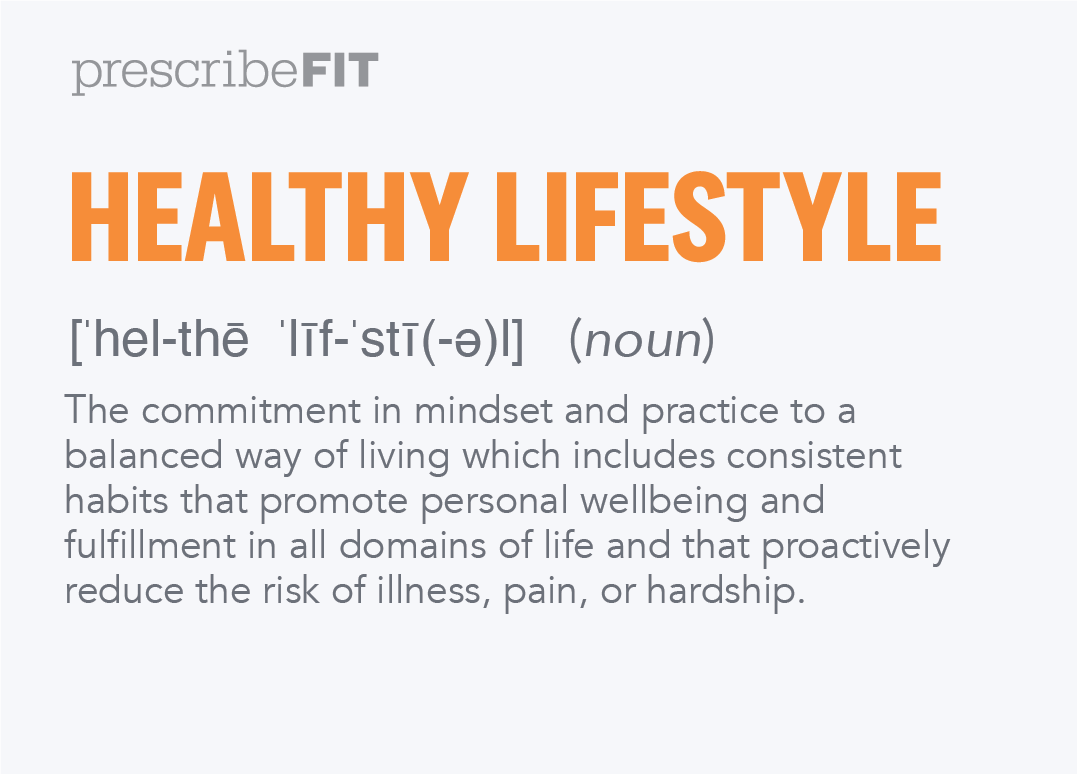
This lifestyle focuses on physical and mental wellness through healthy eating, regular exercise, adequate sleep, and stress management.
Many people pursue this lifestyle to improve energy, prevent illness, and enhance overall well-being.
Active Lifestyle
An active lifestyle emphasizes movement and physical activity throughout the day.
Activities may include sports, walking, cycling, hiking, or recreational exercise.
Minimalist Lifestyle
Minimalism focuses on simplicity and intentional living.
People who embrace minimalism often reduce clutter, simplify possessions, and prioritize meaningful experiences over material accumulation.
Family-Centered Lifestyle
This lifestyle places relationships and family responsibilities at the center of daily life.
Time spent with loved ones becomes a primary priority.
Career-Oriented Lifestyle
Some individuals prioritize professional achievement, skill development, and career advancement.
This approach often emphasizes productivity, networking, and long-term career goals.
Each lifestyle offers unique benefits and challenges depending on personal preferences and circumstances.
How Lifestyle Influences Health and Happiness
Lifestyle choices have a direct impact on both physical and emotional well-being.
Healthy habits can contribute to:
- Better energy levels
- Improved sleep
- Enhanced mood
- Greater resilience
- Reduced stress
On the other hand, unhealthy routines may lead to fatigue, stress, poor health outcomes, and reduced quality of life.
Mental health is also closely connected to lifestyle. Activities such as exercise, social interaction, relaxation, and meaningful hobbies can positively influence emotional well-being.
Relationships are another important factor. Maintaining supportive connections often contributes to greater happiness and life satisfaction.
Financial habits also affect overall well-being. Responsible spending and saving practices can reduce stress and create a greater sense of security.
Because lifestyle touches so many areas of life, even small positive changes can produce meaningful results over time.
How to Create a Lifestyle That Supports Your Goals
Building a lifestyle that aligns with your goals begins with self-awareness.
Start by identifying what matters most to you.
Consider questions such as:
- What are my long-term goals?
- What habits support those goals?
- Which routines help me feel my best?
- What areas of my life need improvement?
Once you have clarity, focus on small, manageable changes.
For example:
- Add a daily walk.
- Improve sleep habits.
- Reduce unnecessary screen time.
- Eat more nutritious foods.
- Schedule regular time for relationships and hobbies.
Consistency is more important than perfection. Sustainable improvements often come from gradual adjustments rather than dramatic changes.
It’s also helpful to review your lifestyle periodically. As circumstances change, priorities and routines may need to evolve as well.
Creating a fulfilling lifestyle is an ongoing process rather than a one-time decision.
Final Thought
When asking “What is the best definition of lifestyle,” the simplest answer is that lifestyle represents the way a person chooses to live each day. It includes habits, routines, behaviors, values, relationships, and decisions that collectively shape overall well-being and life experiences.
Lifestyle is important because daily choices often have long-term consequences. Small habits practiced consistently can influence health, happiness, productivity, financial stability, and personal fulfillment.
The good news is that lifestyle is not fixed. Individuals have the ability to make adjustments, develop healthier habits, and create routines that better align with their goals and values.
By understanding the meaning of lifestyle and making intentional choices, people can build a life that supports both present satisfaction and future success.
FAQs
What is the best definition of lifestyle?
A lifestyle is the way a person lives, including their habits, routines, behaviors, values, and daily choices.
Why is lifestyle important?
Lifestyle influences health, happiness, productivity, relationships, and overall quality of life through daily habits and decisions.
Can lifestyle be changed?
Yes. Lifestyle is flexible and can be improved through intentional habit changes and consistent effort.
What are examples of lifestyle choices?
Examples include eating habits, exercise routines, sleep schedules, financial practices, work habits, and social activities.
How does lifestyle affect health?
Healthy lifestyle choices can improve physical and mental well-being, while unhealthy habits may increase health risks.
What is a healthy lifestyle?
A healthy lifestyle typically includes balanced nutrition, regular exercise, quality sleep, stress management, and positive social relationships.
