

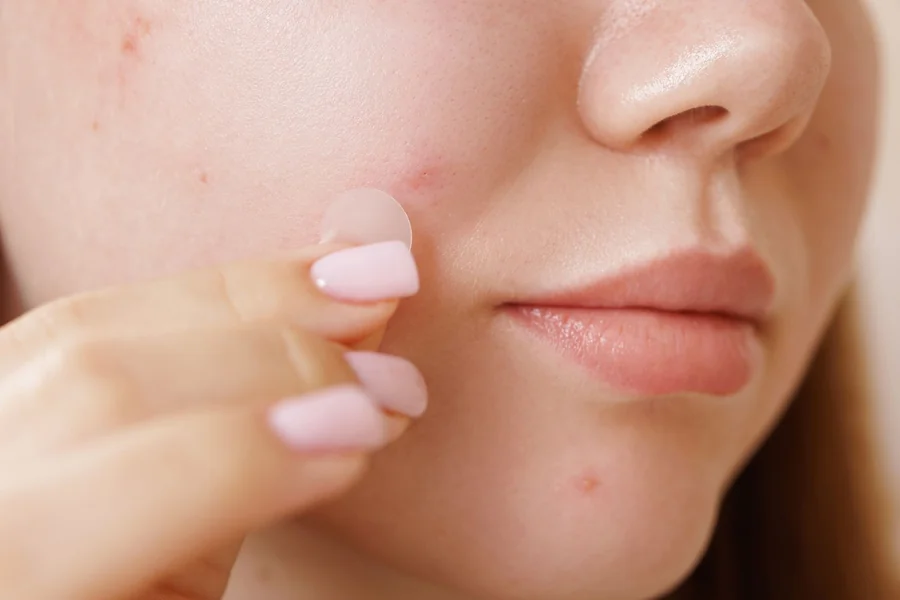
Pimple patches have become one of the most popular quick-fix skincare products for breakouts. Those tiny stickers placed over pimples overnight promise calmer-looking skin by morning — but do they actually work?
The short answer is yes, pimple patches can help, especially for certain types of acne. But they’re not magic solutions, and understanding how they work makes a big difference.
In this guide, we’ll break down what pimple patches do, which pimples they work best for, and how to use them properly without relying on skincare hype.
What Are Pimple Patches?
Pimple patches are small adhesive stickers usually made with hydrocolloid material, which is commonly used in wound care.
They’re designed to:
- Absorb excess fluid and oil
- Protect pimples from dirt and bacteria
- Prevent touching or picking
- Support the skin’s healing process
Most pimple patches work best on surface-level acne like whiteheads or pimples that have already formed a visible head.
How Do Pimple Patches Work?
The main ingredient in many pimple patches is hydrocolloid, a moisture-absorbing material.
When placed over a breakout, the patch helps absorb:
- Excess oil
- Pus
- Fluid buildup
At the same time, it acts like a protective barrier that shields the pimple from:
- Picking
- Friction
- Pollution
- Makeup irritation
This is one reason many people notice their pimples looking flatter or less inflamed after wearing a patch overnight.
What Type of Pimples Do Patches Work Best On?
Pimple patches can be helpful, but they’re not designed for every type of acne.
Whiteheads
Whiteheads are one of the best types of pimples for patches because they sit closer to the surface of the skin.
Hydrocolloid patches can absorb fluid more effectively from these breakouts, which may help reduce:
- Swelling
- Redness
- Visible inflammation
Pimples You’ve Already Picked
Patches can also help protect skin after accidentally popping or picking at a breakout.
In this case, the patch mainly supports healing by:
- Reducing irritation
- Preventing scabbing
- Protecting the skin barrier
Mild Inflamed Pimples
Some patches contain ingredients like:
- Salicylic acid
- Tea tree extract
- Niacinamide
These ingredients may help calm mild inflammation over time.
What Pimple Patches Don’t Work Well For
Deep Cystic Acne
Pimple patches usually don’t work very well on painful cystic acne because the inflammation sits deeper under the skin.
In these cases, treatments like:
- Retinoids
- Benzoyl peroxide
- Salicylic acid
- Prescription acne medication
may be more effective long term.
Blackheads
Patches also don’t do much for blackheads because blackheads aren’t filled with fluid like whiteheads are.
Why People Like Using Pimple Patches
One of the biggest benefits of pimple patches is that they help people stop touching their breakouts.
That’s important because picking at acne can lead to:
- More inflammation
- Slower healing
- Acne marks
- Increased irritation
A patch creates a simple protective barrier that reminds you to leave the area alone while it heals.
Do Pimple Patches Help Acne Heal Faster?
In many cases, yes — especially for surface pimples.
Hydrocolloid patches create a moist healing environment that can help support recovery and reduce irritation.
People often notice:
- Less redness
- Reduced swelling
- Faster flattening
- Less temptation to pick at the skin
That said, patches work best as a supportive skincare product rather than a complete acne treatment routine.
How to Use Pimple Patches Correctly
Using them properly can make a noticeable difference.
Step 1: Start With Clean, Dry Skin
Wash your face and make sure the skin is completely dry before applying the patch.
This helps it stick properly.
Step 2: Apply Directly Over the Pimple
Place the patch directly over the breakout.
Avoid applying heavy creams or oils underneath because they can prevent the patch from adhering well.
Step 3: Leave It On for Several Hours
Most people wear pimple patches:
- Overnight
- For 6–8 hours
- Until the patch turns white or cloudy
That cloudy appearance usually means the patch has absorbed fluid from the pimple.
Step 4: Remove Gently
Peel the patch off slowly without aggressively pulling the skin.
Follow up with a gentle skincare routine afterward.
Are Pimple Patches Safe for Sensitive Skin?
Generally, yes.
Most hydrocolloid patches are considered gentle because they mainly protect the skin instead of aggressively treating it.
However, if a patch contains stronger active ingredients like salicylic acid or tea tree oil, sensitive skin users may want to patch-test first.
What Makes a Good Pimple Patch?
Not all pimple patches feel the same.
A good patch should:
- Stick well without irritating skin
- Feel lightweight and comfortable
- Stay in place overnight
- Protect the breakout without overdrying the skin
Many people also prefer patches that blend naturally into the skin and feel less noticeable during the day.
One option that fits this category is the Deconstruct Pimple Patch because the patches are thin, lightweight, and designed to protect breakouts while supporting the healing process.
Instead of trying to aggressively dry out pimples, hydrocolloid-based patches like these focus more on creating a protective environment for the skin.
Common Mistakes People Make With Pimple Patches
Using Them on Every Type of Acne
Patches work best for whiteheads and surface-level pimples, not deep cystic acne.
Applying Them on Wet Skin
If the skin is damp or covered with skincare products, the patch may not stick properly.
Expecting Overnight Miracles
Pimple patches can help reduce swelling and irritation, but they won’t erase every breakout instantly.
Consistent skincare habits still matter.
Should You Use Pimple Patches Every Day?
You can use them whenever needed, especially for occasional breakouts or emergency pimples before an event.
But if you’re constantly depending on patches for recurring acne, it may help to look at the bigger picture:
- skincare routine
- stress
- hormones
- sleep
- overall acne treatment approach
Patches work best as part of a balanced skincare routine rather than the only solution.
Final Thoughts: Are Pimple Patches Worth Trying?
Pimple patches can definitely be useful for whiteheads, picked pimples, and mild inflamed breakouts.
They won’t completely cure acne overnight, but they can:
- Protect the skin
- Reduce picking
- Help pimples appear calmer
- Support healing with less irritation
The key is understanding what they can realistically do and using them consistently as part of a simple skincare routine.
If you’re looking for a beginner-friendly option, hydrocolloid-based patches like the Deconstruct Pimple Patch can be a practical addition because they focus on protecting and supporting healing without feeling harsh on the skin.
Good skincare is usually less about quick fixes and more about consistency, patience, and keeping routines simple.
